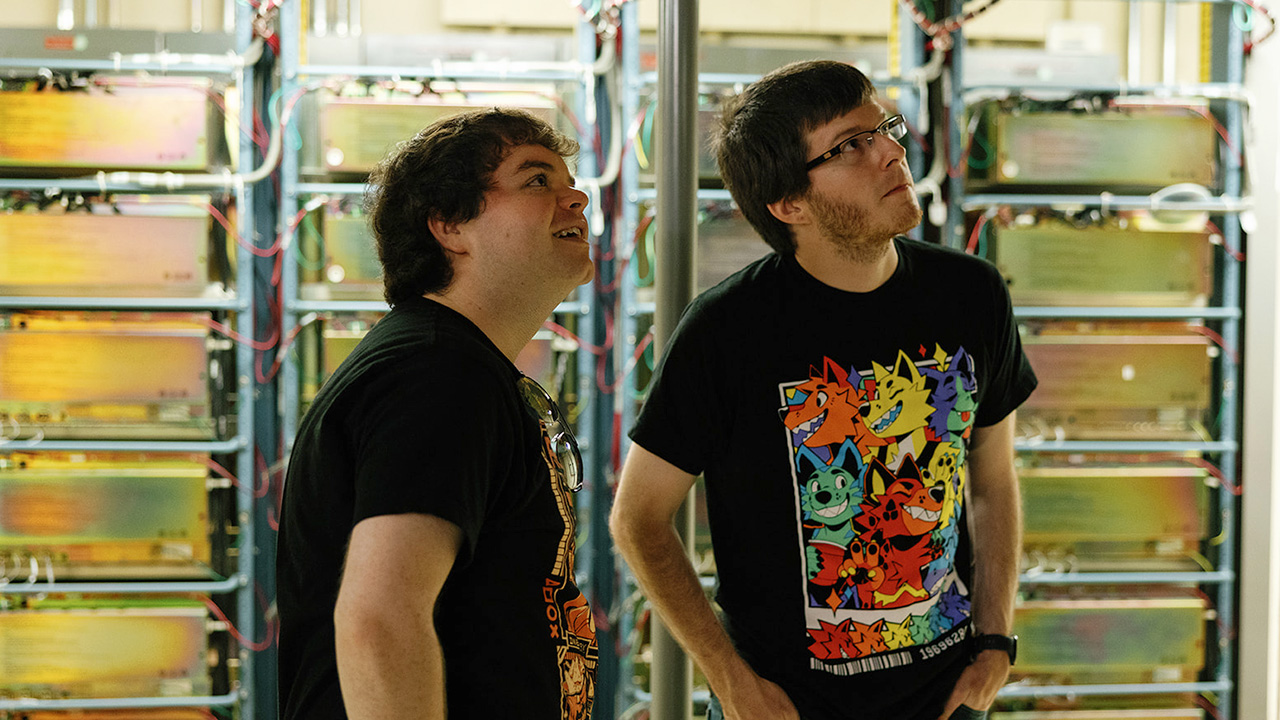
Though it sounds like a boring place full of desks and weak coffee, a Central Office (or “CO”) is a critical part of our networking infrastructure. These incredibly strong buildings are where your internet connection magic happens.
We sat down with VP of Networking, John van Oppen, to learn more about Ziply Fiber’s COs.
Let’s start with the basics. What exactly is a Central Office (CO)?
A CO is the other end of your internet connection. It used to be copper wires that ran from your house to a CO, and now it's a fiber-optic strand. The CO is where all of the networking equipment lives. In dense areas, a single CO might serve tens of thousands of users, sometimes even more.
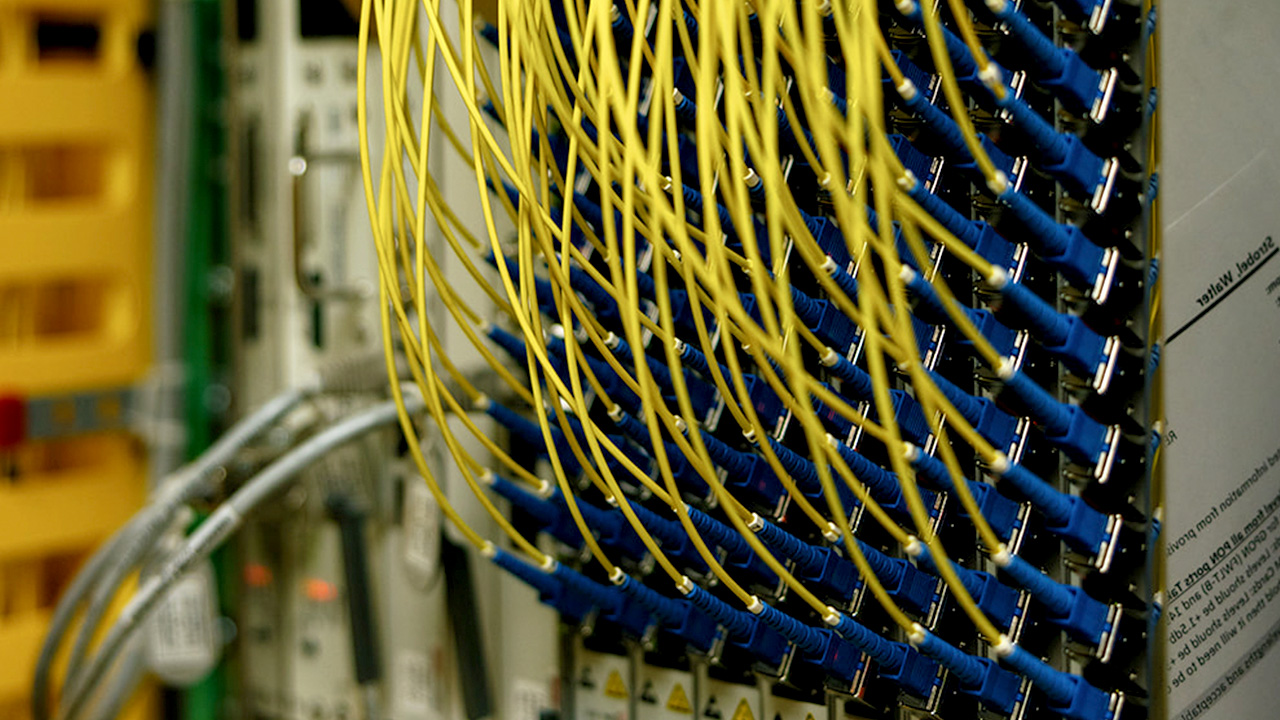
Customers connect to the CO via fiber that originates in cabinets in the field. These cabinets contain splitters—usually one fiber to 32 homes—and the fiber leads back to an Optical Line Terminal (OLT) in the CO. The OLT sources the light going out to your house.
A Point of Presence, also known as a PoP, is a physical location where a fiber-optic network interconnects with other networks. It helps to think of the internet as a global highway system. Local roads connect to interstates and beyond, right? So, a PoP is where a local network intersects with other networks, which extend around the country and the world.
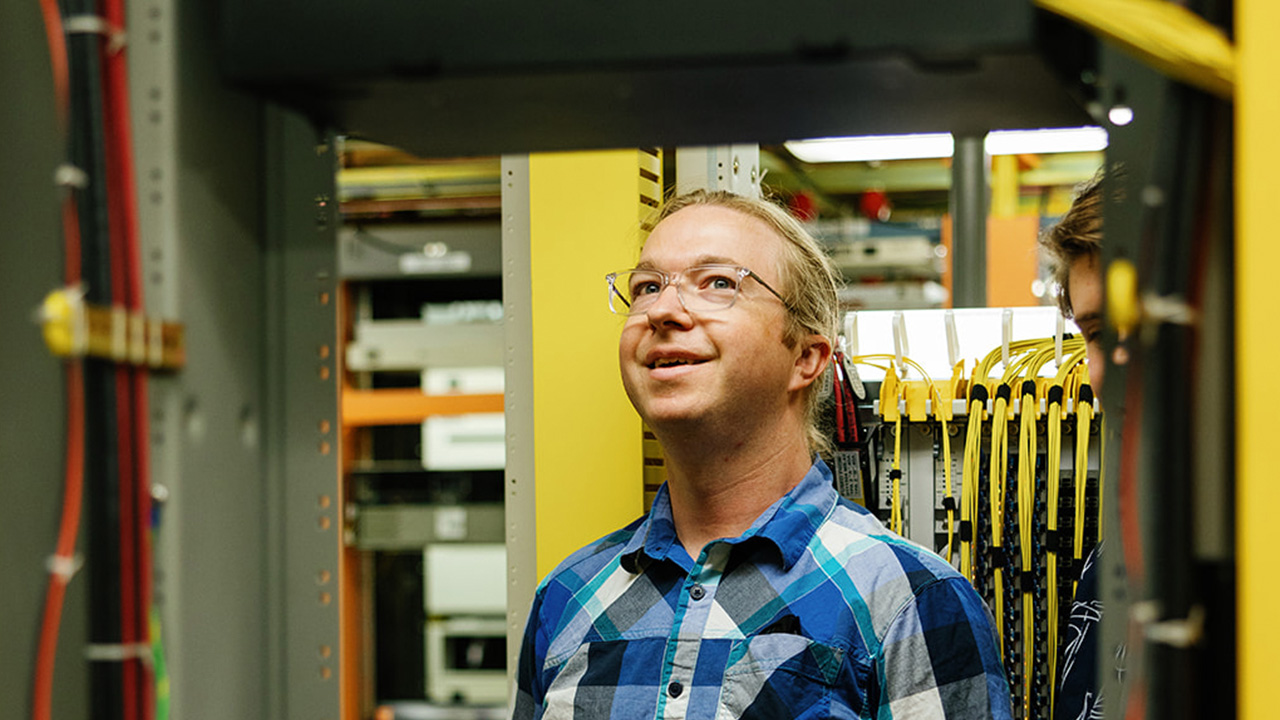
Are COs and PoPs also the same thing as data centers?
No, data centers are different because they specifically house data storage equipment. Data centers have racks and rooms for data storage, which are leased by companies or organizations that need to manage a large amount of data for their customers or stakeholders. A CO could house a data center; we call these sites Colocation facilities. An old office building could house a data center, but it wouldn’t be a CO because it wouldn’t house an Optical Line Terminal, switches, batteries and all the things that go into keeping a fiber network online.
Why are Ziply Fiber’s COs unique?
The biggest difference is how we build and maintain them. Our infrastructure lives inside secure, climate-controlled buildings, not on utility poles or in roadside cabinets. That legacy comes from being a traditional phone company, where reliability was non-negotiable.
Cable companies, for example, often have electronics spread across neighborhoods in less protected environments. That’s a major disadvantage when it comes to uptime.
Out of 400 COs across our footprint, we might lose power or cooling in just two of them per year. That’s incredibly rare. We’ve even had buildings survive still delivering service. When the Detroit, OR, fire happened, the building didn’t burn. The only reason we lost the roof was because a neighboring tree was untrimmed and caught fire and ignited the roof. Even then, the structure held.
That’s impressive.
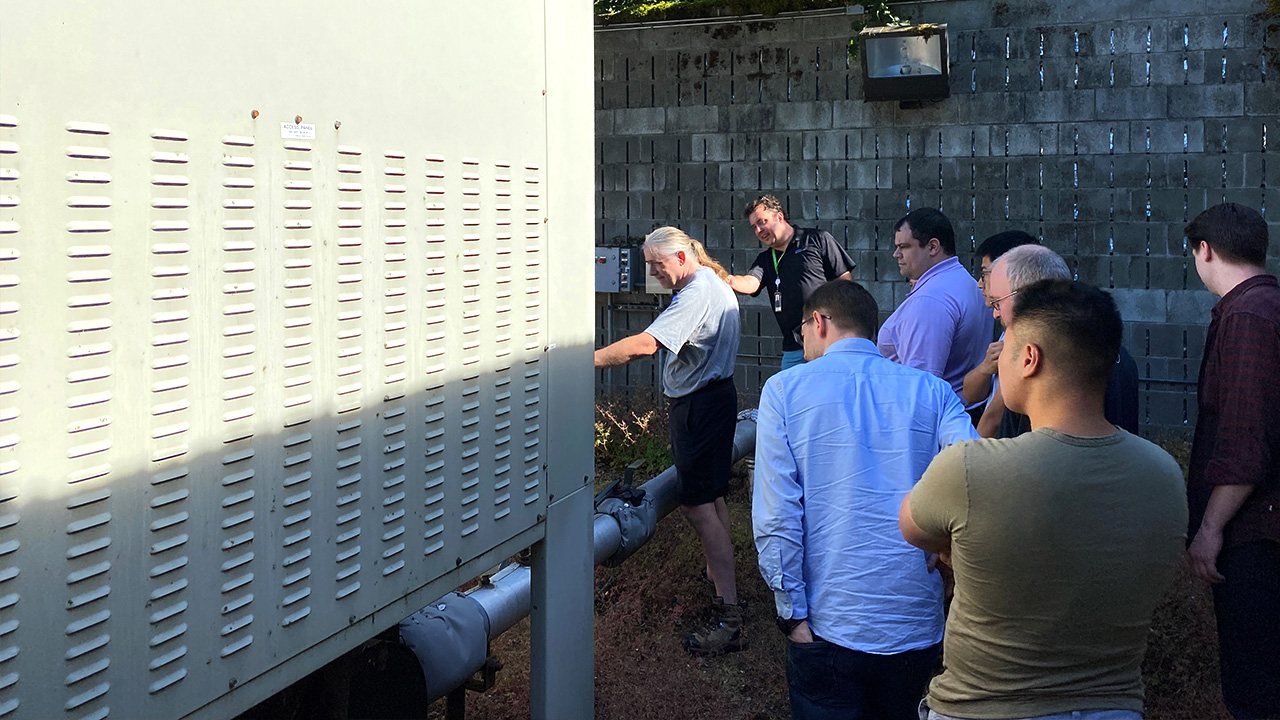
Yes, well, telephone companies were built to handle emergency communication. The CO buildings have always been designed to support communication infrastructure. Whether it was for copper wires or fiber, the basics haven’t changed: high ceilings, cable racks, redundant cooling, backup power, even underground diesel tanks. It’s all designed for resilience.
One of our most impressive buildings is our five-story facility in Everett, WA. That building has one of the highest floor load capacities I’ve ever seen outside of a warehouse. In some areas, it can support up to 450 pounds per square foot. To put it in perspective, we’ve got about 80,000 pounds of batteries on the fourth floor just sitting there in racks bolted to the floor. We’ve talked with our structural engineers about this—hypothetically, we could probably park a car or even put a printing press on the fifth floor and it wouldn’t be a problem.
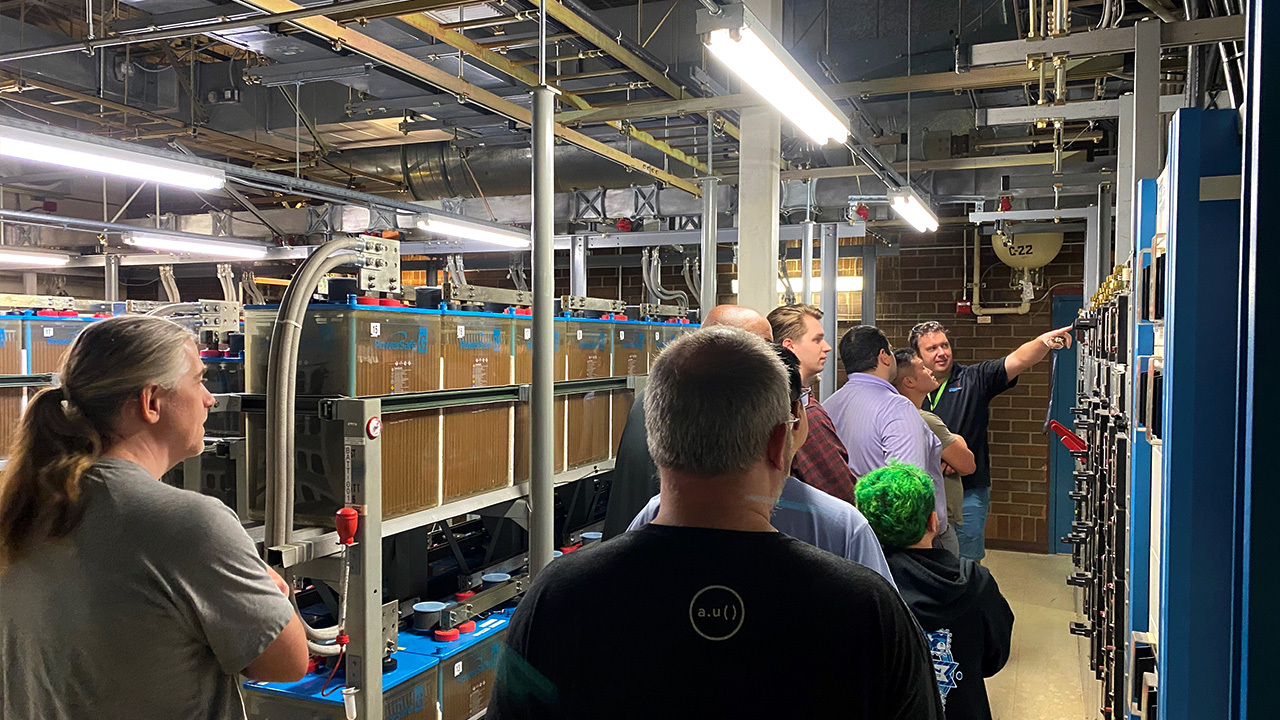
You’ve said your favorite room in the CO is the battery room. Why is that?
It’s such a unique part of telecom infrastructure. Our sites usually have over three hours—some as many as twelve.
When something breaks, we don’t want to panic. We want to pause, talk through the plan and execute carefully. Battery reserves give us that luxury. We can afford slow, controlled responses. Customers don’t experience chaos, because we’ve built a system that’s calm under pressure.
Tell me about how redundancy works for the fiber-optic lines and how you’re able to keep service up beyond the physical building?
We build multiple fiber paths into every CO. So, if one line gets cut, your service doesn’t go down. We also run with a huge amount of headroom—no circuit is supposed to go over 40% usage. That way, we’re ready for the unexpected.
A couple of years ago, there was a big Mike Tyson match that streamed on Netflix. It created a massive spike in traffic and took down service for a lot of providers. Not us. We had four times the needed capacity on standby, so our customers never saw a blip.
We actually do most of our network maintenance work during the day, because if your systems are designed well, daytime work doesn’t disrupt service.
At some point it’s got to give out, right?
We need to do maintenance, but otherwise, not really. I recently logged into a network device in rural Oregon that hadn’t been rebooted in 22 years. We just retired a voice switch that had been online without interruption for 42 years.
People talk about planned obsolescence, but we don’t build or operate that way. Our systems are built to last and to quietly do their jobs, day after day. That’s what reliability really looks like.
Any final thoughts on COs you want to leave readers with?
Just that COs are the unsung heroes of connectivity. They’re the central hub of everything we deliver and designed to stay up when everything else is down. There was a big power outage in downtown Bothell, WA, and our CO was the only one with lights on. It’s that kind of reliability that keeps our customers connected, even in a crisis.
Want to learn even more about our COs? Take a virtual tour on YouTube, and join our Reddit community for a possible chance to tour one in person.